Choosing the right weapon in Counter-Strike 2 (CS2) can greatly impact your gameplay, making a comprehensive CS2 Weapon Tier List essential for players seeking a competitive edge. From primary firearms to secondary options and utility weapons, understanding how each choice fits into the game’s mechanics is key. This tier list breaks down weapon performance, recommendations, and factors that influence their effectiveness, helping you make strategic decisions in every match. Whether you’re a seasoned player or a newcomer, this guide will ensure you’re equipped with the knowledge to dominate the battlefield. Stay tuned for expert tips and insights!
Understanding Weapon Tiers in CS2
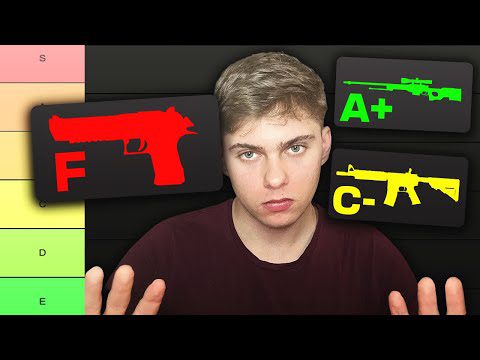
The CS2 Weapon Tier List is a helpful guide for players aiming to excel in Counter-Strike 2. Weapons in the game are ranked based on their performance, utility, and overall effectiveness in different scenarios. Understanding these tiers is crucial for making informed decisions during gameplay.
- S-Tier Weapons: These are the most powerful and versatile options. S-tier weapons dominate in both accuracy and damage, making them ideal for high-stakes situations.
- A-Tier Weapons: Slightly less powerful but still highly reliable, these weapons are excellent for most scenarios. They offer a balance between performance and affordability.
- B-Tier Weapons: B-tier weapons serve as decent choices, especially during budget rounds. While not as effective as higher-tier options, they can still get the job done.
- C & D-Tier Weapons: These are situational picks with limited utility but can work well in specific strategies or economic conditions.
By mastering the CS2 Weapon Tier List, players can strategically adapt their choices based on the game’s progression and their team’s needs. It’s not just about a weapon’s firepower—it’s about using the right tool for the job.
Primary Weapons: Ranking and Recommendations
When it comes to primary weapons in the CS2 Weapon Tier List, understanding their effectiveness can elevate your gameplay significantly. These weapons are the backbone of your arsenal, with each offering distinct advantages based on your strategy and play style.
Here’s a breakdown of some top-tier primary weapons:
- Rifles:
- AK-47 – Renowned for its high damage and one-tap headshot potential, the AK-47 maintains its dominance in most scenarios.
- M4A4/M4A1-S – Reliable options for Counter-Terrorists, offering accuracy and consistency at medium range.
- Sniper Rifles:
- AWP – The crown jewel of long-range combat. Its one-hit kill capability comes at the cost of mobility and price.
- SMGs:
- MP9 and MAC-10 – Affordable yet effective close-range picks, perfect for eco rounds or aggressive pushes.
Choosing the right primary weapon often depends on factors such as your team’s economy, position, and personal skill. Remember, mastering the weapons in the CS2 Weapon Tier List can give you a decisive edge in competitive matches.
Secondary Weapons: Best Picks and Uses
In the CS2 Weapon Tier List, secondary weapons play a crucial role as backup options when your primary weapon runs out of ammo or during eco rounds. These pistols vary in power, fire rate, and utility, making each suited for specific situations. Selecting the right secondary weapon can significantly improve your performance.
Some of the most commonly used secondary weapons include:
- Desert Eagle (“Deagle”): A high-damage pistol capable of one-shot kills with accurate headshots. Perfect for players with exceptional aim.
- Glock-18: Standard issue for Terrorist teams, offering a high rate of fire but lower damage. Best used in close-range situations.
- USP-S: The go-to pistol for Counter-Terrorists. Its silencer adds stealth, ideal for controlled, long-range engagements.
- Five-SeveN: Effective against armored opponents due to its high penetration and rapid fire rate.
While the power of a secondary weapon may not equal that of a primary weapon, knowing when and how to use them is critical. Balancing your budget with personal playstyle will help you master this category in the CS2 Weapon Tier List.
Utility Weapons: Importance and Effectiveness
Utility weapons play a significant role in the CS2 Weapon Tier List, as they can turn the tide of a game when used effectively. These include grenades such as flashbangs, smoke grenades, molotovs, and HE grenades. While they don’t directly deal damage (except HE grenades and molotovs), their strategic importance cannot be overstated.
Here’s why utility weapons matter:
- Area Control: Smoke grenades and molotovs are excellent tools for blocking vision or denying areas.
- Crowd Disruption: Flashbangs temporarily blind enemies, providing an opportunity to take key positions.
- Damage and Utility: HE grenades deal explosive damage, and molotovs can force enemies out of hiding spots.
Using utility effectively can help team coordination, giving players an edge over unorganized opponents. Players should consider utility as complementary to their primary or secondary gear—it’s often a smart trade-off to invest in fewer bullets to afford crucial grenades.
Ultimately, mastering utility placement and combining it with your chosen weapons elevates your ranking in the CS2 Weapon Tier List, making you a more versatile and valuable player.
Factors Influencing Weapon Performance
When creating a CS2 Weapon Tier List, it’s essential to understand the factors that influence a weapon’s performance. Knowing these variables can help you make better decisions in the heat of battle. Here are the key aspects to consider:
- Damage Potential: A weapon’s efficiency often depends on its damage output per shot. High-damage weapons are typically more effective in early engagements.
- Fire Rate: Weapons with faster fire rates can compensate for lower individual damage, especially in close-quarters combat.
- Accuracy and Recoil Control: Precision is crucial, particularly for ranged fights. Weapons with manageable recoil and high accuracy are often preferred by skilled players.
- Cost and Economy: In CS2, your economy plays a big role. Budget-friendly weapons might rank lower in the CS2 Weapon Tier List, but they’re still viable in low-budget rounds.
- Versatility: Certain weapons perform well across different scenarios, making them an all-around reliable choice.
Considering these factors ensures you pick a weapon that aligns with your playstyle and strategy. Keep these elements in mind as you analyze the tier list and optimize your in-game performance!
Tips for Choosing the Right Weapon
Selecting the best weapon in CS2 can significantly impact your gameplay. A well-thought-out choice, aligned with the CS2 Weapon Tier List, ensures that you’re prepared for any scenario. Here are some essential tips to guide your decisions:
- Understand the Economy: Weapon selection often depends on your team’s economy. Save rounds? Opt for cheaper options like the MP9 or Tec-9. Full buys? Go for high-tier weapons such as the AK-47 or AWP.
- Map Awareness: Different maps favor specific weapons. For example, the AUG’s scoped accuracy might excel in maps with long sightlines, whereas shotguns like the Nova shine in close-quarters maps.
- Playstyle Alignment: Aggressive players might benefit from SMGs or rifles with high fire rates, while defensive players could prioritize snipers or shotguns for holding angles.
- Adapt to Opponents: Pay attention to the enemy’s buys and adjust accordingly. If they’re heavily armored, use rifles over pistols.
Pro Tip: Regularly refer to the CS2 Weapon Tier List for up-to-date insights on which weapons are dominating the meta. The right weapon can be your winning edge!
Frequently Asked Questions
What is a weapon tier list?
A weapon tier list ranks weapons based on their effectiveness, utility, and overall performance in the game. In the context of CS2, it helps players understand which weapons are better suited for different situations.
How is the weapon tier list developed?
The tier list is developed based on gameplay tests, professional players’ insights, weapon statistics, and community feedback. Factors like damage output, accuracy, and cost are considered during the evaluation.
Why do weapon tiers in CS2 change over time?
Weapon tiers may change due to game updates, balance patches, or shifts in the competitive meta. Developers often make adjustments to ensure game balance, which can influence the ranking of weapons.
Do I always need to use weapons from the top tier?
Not necessarily. While top-tier weapons are generally the most effective, your choice should depend on your playstyle, strategy, and the economic situation in the game. Lower-tier weapons can also be effective in certain scenarios.
After you shortlist a finish, compare live CS2 skin prices on CSOffer me and complete the trade on Skin.Trade.