Counter-Strike 2 (CS2) has introduced a wealth of features, but skins remain a cornerstone of its appeal. For players and collectors alike, the allure stems not only from their designs but also from their history within the game. The oldest skins in CS2 carry immense cultural and monetary value, representing iconic moments in Counter-Strike’s evolution. Whether you’re a seasoned player or a newcomer, understanding the significance of these legacy skins offers a glimpse into the game’s rich heritage and the thriving trading community surrounding them. Let’s explore what makes these timeless assets so special to the CS2 universe.
Introduction to CS2 Skins
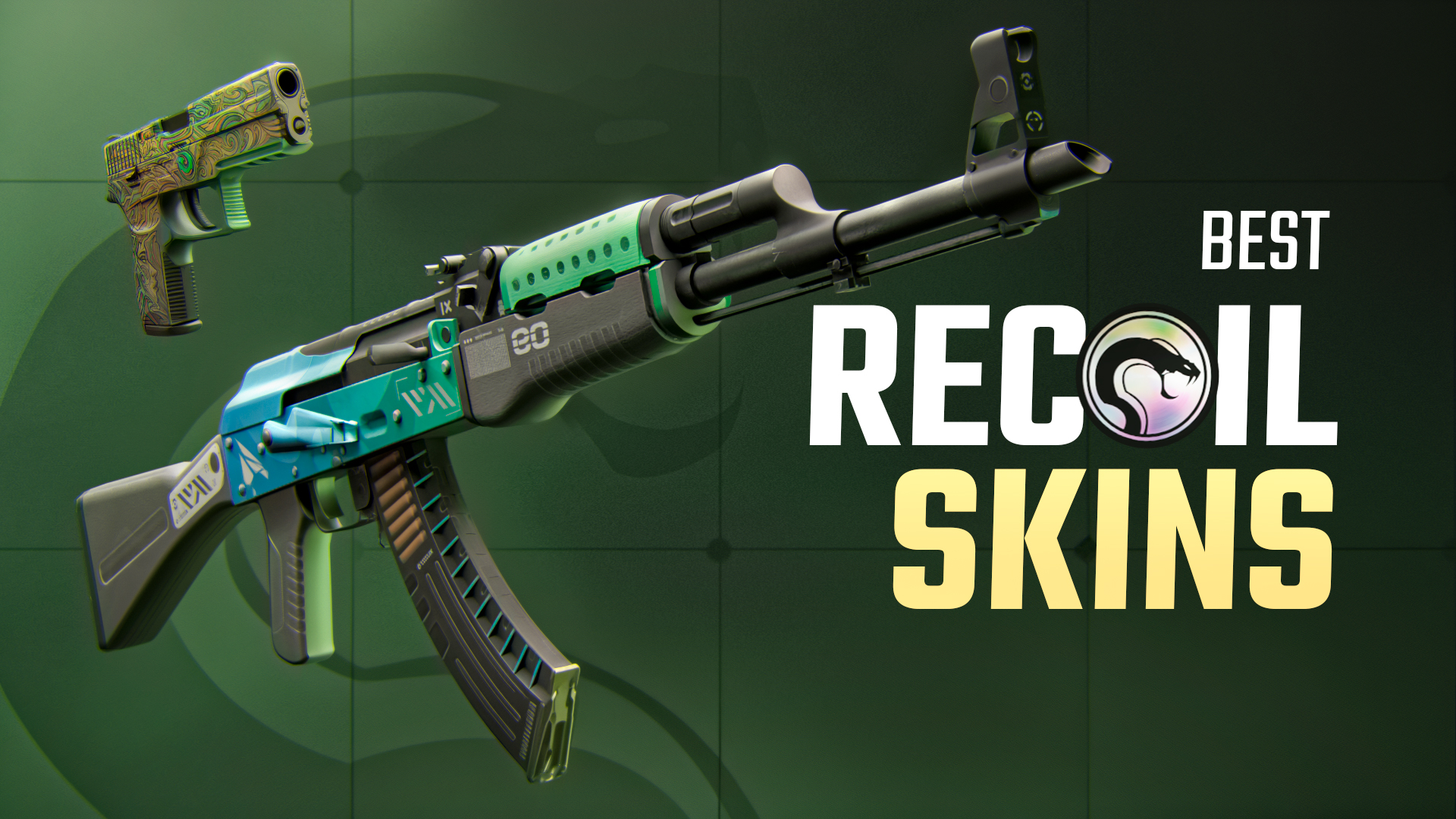
Counter-Strike 2 (CS2) has taken the gaming world by storm, and one of its enduring features is its unique collection of skins. Skins are cosmetic items that alter the appearance of weapons, giving players the chance to showcase their style in the game. What makes these skins even more intriguing is their history and the stories they carry.
The oldest skins in CS2 trace their roots back to earlier Counter-Strike versions, particularly CS:GO. These skins have been faithfully carried forward, maintaining their legendary status in the CS2 ecosystem. Players value them not only for their nostalgic appeal but also for their exclusivity.
Skins have become a cultural phenomenon in the game, blending aesthetics with rarity and market value. While new skins are continually added to the collection, the oldest skins in CS2 hold a special place for veteran players. They serve as a testament to the game’s evolution and the dedication of its community.
Understanding these skins is essential to appreciating their significance in CS2, as they embody a rich blend of history, artistry, and gaming legacy.
The History of Skins in Counter-Strike
The journey of skins in Counter-Strike began long before the release of CS2. Introduced in 2013 with the “Arms Deal” update in Counter-Strike: Global Offensive (CS:GO), skins revolutionized how players engaged with the game. These cosmetic items allowed players to personalize their weapons, creating an entirely new layer of involvement and competition within the community.
Initially, skins ranged from simple designs to more intricate, artistic patterns. Over the years, the system evolved, introducing higher-quality textures and various themes. Many of the oldest skins in CS2 today originated from those early CS:GO collections, such as the “Dust,” “Safehouse,” and “Bank” collections.
Key milestones in the timeline include:
- 2013: Launch of skins through the “Arms Deal” update.
- 2014-2015: Popular collections like “Phoenix” and “Chroma” arrived.
- 2020+: These same early skins transitioned into CS2, increasing their historical value.
Understanding the origins of these oldest skins in CS2 is essential to appreciate their nostalgic charm and significance today. They represent a fascinating blend of gaming history and personal achievement.
Criteria for Determining the Oldest Skins
To identify the oldest skins in CS2, it’s essential to rely on specific criteria that distinguish these vintage cosmetics from newer additions. Here are some key factors that help determine their age and heritage:
- Release Date: The primary criterion is the skin’s original release date. Skins from the earliest Counter-Strike: Global Offensive (CS:GO) updates, prior to the transition to CS2, are considered the oldest.
- Collection or Case: Skins from the early weapon cases like the “Arms Deal Collection” (released in 2013) often qualify as the oldest. These collections paved the way for the entire skin economy.
- In-Game Popularity: The in-game legacy of skins plays a role. Iconic skins released early in CS history, like the AWP Dragon Lore, are often revered for their historical impact.
- Wear Levels: Old skins may show rare Float Values or patterns that give them an aged, unique look over time.
By examining these factors, players can trace the heritage of the oldest skins in CS2, showcasing the timeless appeal of these virtual artifacts.
Examples of the Oldest Skins in CS2
The oldest skins in CS2 trace their origins to Counter-Strike: Global Offensive (CS:GO), where skins were first introduced in 2013 through the Arms Deal update. These legacy skins have remained iconic and are now available in CS2 with updated visuals and mechanics. Below are a few noteworthy examples:
- AWP | Dragon Lore: This skin, part of the Cobblestone Collection released in 2014, is one of the most recognized and sought-after skins in the Counter-Strike franchise. Its rarity and unique design make it legendary.
- AK-47 | Redline: Introduced early in the Phoenix Collection, this skin gained fans for its sleek design and timeless appeal.
- M4A4 | Howl: Released in 2014, the M4A4 Howl earned its place in Counter-Strike history after becoming a Contraband item, making it extraordinarily rare.
These skins represent the foundation of cosmetic items in CS, offering players not just aesthetic appeal but also pieces of the game’s history. Their presence in CS2 solidifies their enduring legacy among the community.
The Value and Rarity of Old Skins
The oldest skins in CS2 hold significant value and rarity within the game’s vast marketplace. These iconic skins are not just cosmetic upgrades; they represent a piece of Counter-Strike history, cherished by collectors and enthusiasts alike.
Several factors contribute to their high value and rarity:
- Historical Significance: The oldest skins in CS2 date back to when skins were first introduced in Counter-Strike, making them highly desirable due to their legacy.
- Limited Availability: Many of these skins were part of early cases, operations, or promotions, which are no longer available in the current game.
- Unique Designs: Original skins often showcase timeless designs that distinguish them from newer, trendier options.
- Market Demand: High demand and limited supply naturally drive up their trading price.
For comparison:
| Aspect | Oldest Skins | New Skins |
|---|---|---|
| Historical Value | Extremely High | Lower |
| Availability | Scarce | Abundant |
| Typical Price Range | Expensive | Varies |
Owning one of the oldest skins in CS2 is akin to holding a rare artifact, blending nostalgia with exclusivity in the ever-evolving Counter-Strike universe.
Preserving and Trading Legacy Skins
Preserving and trading the oldest skins in CS2 is a fascinating endeavor for players and collectors alike. These legacy skins carry historical significance and nostalgic value, making their careful maintenance crucial.
Tips for Preserving Legacy Skins:
- Keep them in your Steam inventory to ensure security.
- Avoid unauthorized third-party trading platforms to reduce risks of scamming.
- Regularly update your account security with strong passwords and two-factor authentication.
When it comes to trading, the market for the oldest skins in CS2 is thriving. Players often seek these skins not only for their aesthetic appeal but also for their rarity and historical connection to previous game versions.
Things to Consider When Trading:
- Value Assessment: Use popular trading communities or calculators to estimate the skin’s worth.
- Market Trends: Observe demand for specific skins to time trades advantageously.
- Trustworthy Trading Partners: Always deal with reliable traders to avoid fraudulent transactions.
Preserving and trading these legacy items not only safeguards their monetary value but also ensures their legacy within the CS2 community lives on.
Frequently Asked Questions
What are the oldest skins available in CS2?
The oldest skins in CS2 are the ones that were carried over from its predecessor, CS:GO. These include iconic skins like the Dragon Lore, AWP Asiimov, and the Karambit Fade, which have historical significance within the Counter-Strike community.
How can I identify an old skin in CS2?
Old skins in CS2 can be identified by their release date, rarity, and popularity in historical cases or operations. They are often associated with specific collections or events from CS:GO, like the Arms Deal Collection or the Cobblestone Collection.
Are older skins in CS2 more valuable?
Yes, older skins often tend to be more valuable due to their rarity and demand among collectors. Their historical significance and limited availability make them sought-after items in the game’s marketplace.
Can I still obtain the oldest skins in CS2?
While the oldest skins are not available in new cases or drops, players can still obtain them through the marketplace, trading with other players, or unboxing legacy cases that include these classic skins.
If you are checking current asks before you trade, compare live CS2 skin prices on CSOffer me, then buy on Skin.Trade or sell from your inventory.